NO. 080 | WE’RE ALL SOMEONE’S YOUNGER SELF.
Why understanding our reactions helps us meet ourselves and each other with more compassion
Recently I got triggered in a conversation. It wasn’t anything dramatic where I lost it and exploded onto someone, although that’s definitely happened before. In fact, in this specific situation, I stayed pretty calm and cool on the outside. But inside, well that was another story. I could feel that quick, familiar internal surge of energy... a rush. My chest tightened, my thoughts and heart rate sped up and suddenly I wasn’t just responding to what was happening in front of me. I was reacting from my younger self.
I could feel it happening in real time, which is its own strange experience, watching yourself get pulled into a reaction while another part of you is thinking, "oh… there you are." I liken it to an out of body experience where I lift slightly up above myself and watch everything unfolding below me, aware of it and yet oddly powerless to stop it. From a psychological perspective, what I experienced in that moment could be described as a mild dissociative response. Not in a pathological way, but in the very human way our nervous systems create a little distance and buffer the intensity of a situation so we’re not completely flooded. Moments like this remind me how layered and complex we all actually are.
Some days when I’m more present and aware, I look around at everyone I encounter and try to remember we’re all just grown ups with younger versions of ourselves still very much alive and present inside of us, including me. And I don’t mean metaphorically either. I mean we’re actually adults walking around with our younger selves living inside us. We move through the world in these adult bodies while old feelings, old fears, old stories and old conclusions we made about ourselves years ago are still hijacking the wheel or at least riding shotgun when we least expect it. Mine too. They’re protective, ready and waiting to respond.
I honestly don’t know if old wounds ever fully heal either. I know, not what any of us want to hear, read or feel for that matter. I’m not saying that rhetorically. I really don’t know. I think we can work with them, understand them, tend to them, but I’m not convinced they completely disappear. I think they become part of us and we learn how to live with them rather than ignore or erase them. And I sometimes wonder if healing isn’t actually about making them vanish at all, but more about what happens when they’re finally seen, acknowledged, understood and loved. Maybe that’s when these parts can actually relax a little bit. Perhaps that’s when they stop needing to shout so loudly to get our attention.
And once you start noticing this in yourself, you start seeing it everywhere. I notice it in conversations all the time. Someone reacts fast or big or a little sharply. Or they disappear mid discussion like they mentally checked out even though they’re still sitting there. There’s this split second where I can feel the shift before I can explain it. Something changed or something got touched or activated. The tone shifts and the air feels different. And usually it isn’t really about what’s happening right then.
It’s so easy to call people difficult, emotional, dramatic, competitive or controlling, fill in whatever word fits the moment and our limited assessment. Labels make things feel neat and understandable, like we’ve figured someone or something out. It’s human. But if you slow down and look at what’s underneath a reaction, it usually isn’t attitude. It’s history. It’s an old experience and an old story still running in the background. And sometimes in these interactions, it isn’t really two adults talking at all. It’s one person’s younger parts responding to another person’s younger parts.
Most of the time it’s a younger version of us who learned something very early about how to stay safe and survive in this world. Maybe we learned that being loud meant being fully seen. Maybe we learned that being perfect meant being loved. Maybe we learned that disappearing kept things calm and protected them from all of the judgment. Maybe we learned that speaking first meant no one else could hurt them. Maybe we learned that if we were funny, charming, agreeable or impressive, we’d be accepted.
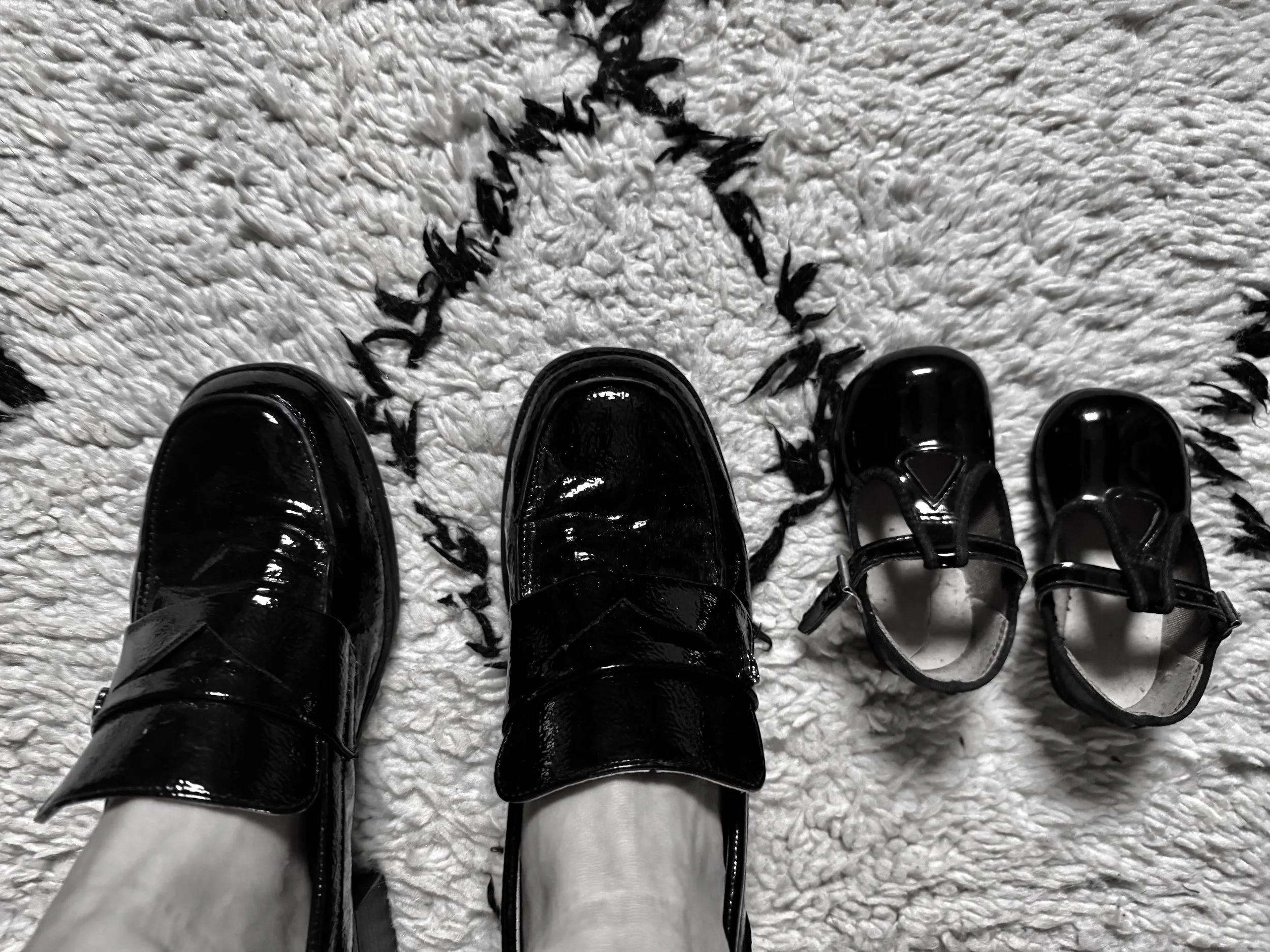
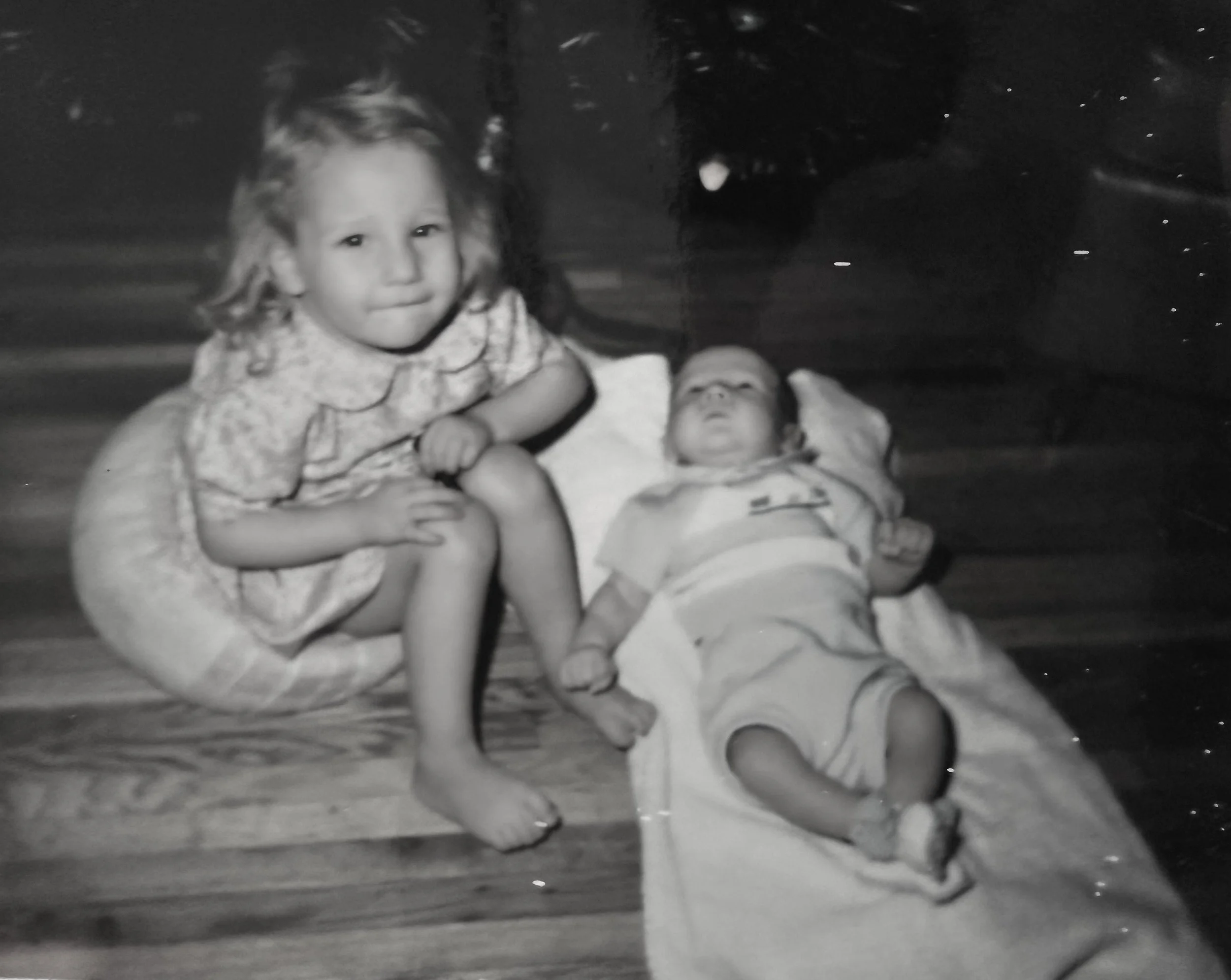
Kids are incredibly perceptive and adaptable. They figure out pretty early what works and then they keep doing it because they have to. The problem is what worked at seven doesn’t always work at thirty seven or fifty seven, and our nervous systems don’t automatically update just because we got older and started this adulting thing.
We grow up and build lives and become thoughtful and capable and self aware in so many different ways, but spoiler alert, those early strategies don’t just conveniently evaporate. Wouldn’t that be nice. Instead, they change how they show up in clever ways. Perfectionism can start to look like high standards and avoiding vulnerability. Control can look like responsibility or performing competence. Emotional distance can look like independence. Irritability can look like honesty. Most of the time we don’t even realize we’re protecting anything. We just feel the rush in our body, the heat in our chest, the tightening in our throat, the drop in our stomach, the sudden urge to explain or defend or shut down or leave. Our bodies are reacting before our minds have caught up. It often happens outside our awareness until we learn how to notice it. From the outside it can look confusing or bigger than the situation calls for. From the inside it can feel urgent, necessary and completely justified. In that moment it can honestly feel like we’re the only one in the world.
And just to say, that doesn’t mean someone’s being selfish or making everything about themselves. It’s usually not narcissism. Most of the time it’s neurobiology and our nervous system’s threat response. When a person gets triggered, their system is reacting to something it perceives as important or threatening, even if their thinking mind knows they’re actually safe. That response happens fast, automatically and most often outside of our awareness. Some people also have more sensitive nervous systems than others, which means their systems register intensity and danger more quickly and more deeply. That’s not a flaw. That’s wiring. In different environments, that kind of sensitivity can actually be an asset.
I’m definitely not saying our activating younger parts excuse hurtful or abusive behavior because they absolutely don’t. Being wounded doesn’t give any of us permission to wound someone else. We still have to take responsibility for how we show up. We still have to repair when we hurt people, and most of us were never taught how to do that well. We still need boundaries with people who can’t meet us in healthy ways. Compassion doesn’t mean tolerating everything. But I do think compassion changes what we see when we look at each other.
When I remember that the person in front of me has lived a whole life I know nothing about, something has the opportunity to shift in me. It can change how I show up, listen and respond. Full disclosure, not always. I wish I could say always but that wouldn’t be true. I have my own moments when my reactions come in hot and fast before I can even think and it’s very obvious a younger part of me is the one running the show. But when we find ourselves in a situation where we’re judging someone in front of us and their confusing behavior, we have a choice. We can pause, even briefly, and ask, "what's underneath whatever’s happening?" instead of what’s wrong with you? More like, what happened to you? What did you have to learn early to get through your life? What did you not get that you needed? What did you have handed to you that you shouldn’t have had to carry?
Most of us are doing the very best we can, I really believe that, with many different types of nervous systems shaped in environments we didn’t choose and experiences we didn’t fully understand when they were happening. We didn’t have the tools back then to process what we were living through. Sometimes the most grown up thing we can do is notice when a younger part of us has grabbed the wheel and instead of shaming it or pushing it away, we acknowledge and recognize it. We let it know we see it. Maybe it sounds something like, "Oh hey there, I see you. I’m here. You’re okay. I’ve got you, always." There’s something reassuring about realizing a reaction is coming from an old wound instead of the present moment. It creates a little space to choose something different, a different response.
I really do think the world might feel a little less harsh if we remembered more often that the person in front of us isn’t just who they appear to be right now. They’re also the kid who once felt hurt or embarrassed, criticized or different, scared or hopeful, the one who tried really hard, the one who felt alone, all of those versions still living somewhere inside.
We’re all someone’s younger self, and most of us are still trying, in real time, to learn how to live with everything we’ve carried. And honestly, sometimes the bravest thing I feel like I’m doing these days is just trying to be a damn human and have compassion, not only for the people around me who are trying too, but for myself as well. Maybe that’s what it actually means to grow.
xx,
Michel